
 + 86 18721624519
Hvaða búnað þarf til að byggja upp sólarorkusamskiptastöð? Leiðbeiningar um byggingu sólarorkusamskiptastöðva
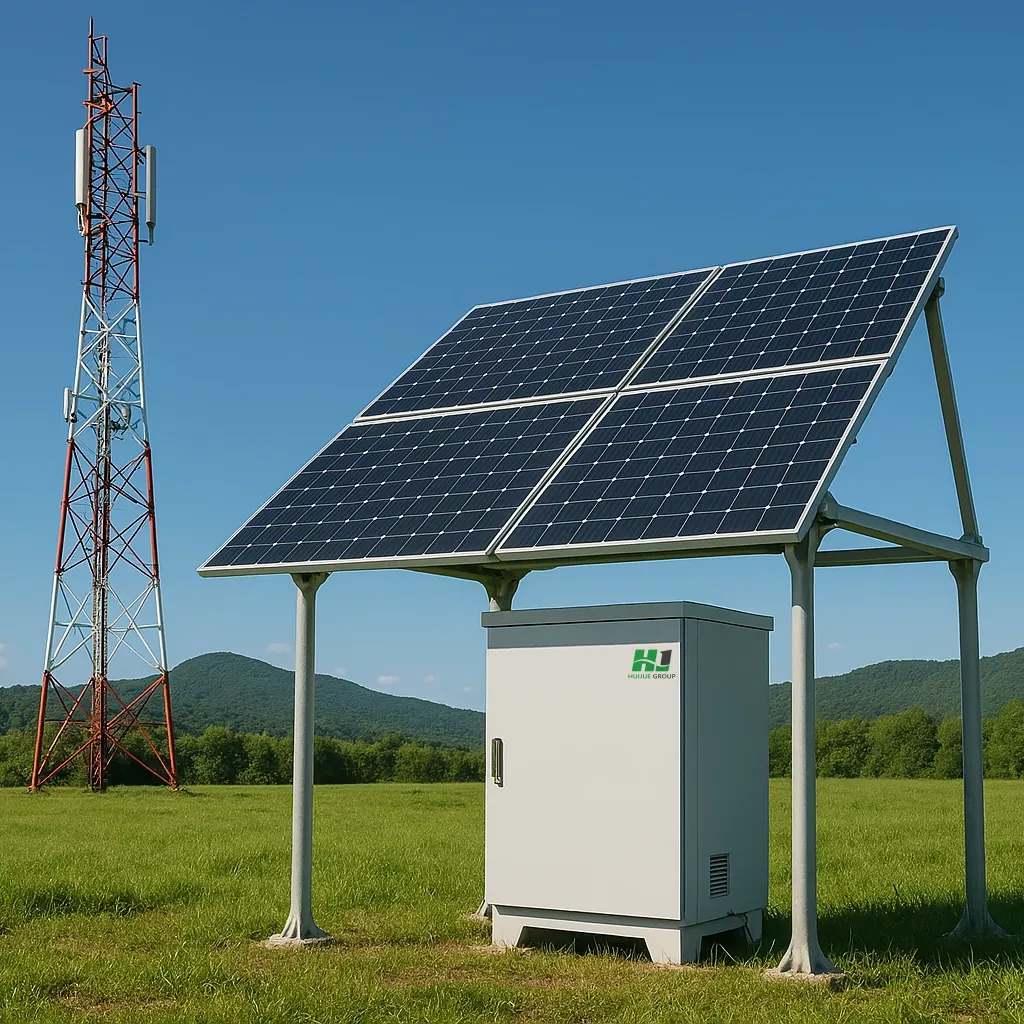
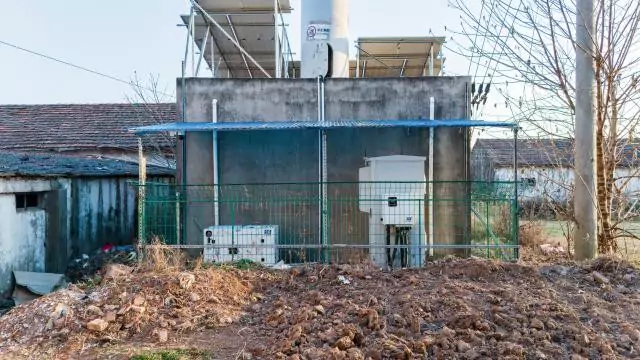
Sólarorkusamskiptastöð er nýstárleg innviðategund sem sameinar sólarorkuframleiðslutækni við byggingu samskiptastöðva. Hún veitir stöðuga og áreiðanlega aflgjafa fyrir samskiptabúnað á svæðum með lélega nettengingu, svo sem afskekktum svæðum, fjallasvæðum og eyjum. Þessi grein veitir ítarlegt yfirlit yfir kjarna- og aukabúnað sem þarf til að byggja upp sólarorkusamskiptastöðvar, sem og lykilatriði varðandi uppsetningu, og býður upp á hagnýtar leiðbeiningar fyrir fagfólk í greininni.
I. Kjarnaaflsframleiðslubúnaður
1. Sólarsellur (ljósrafmagnseiningar)
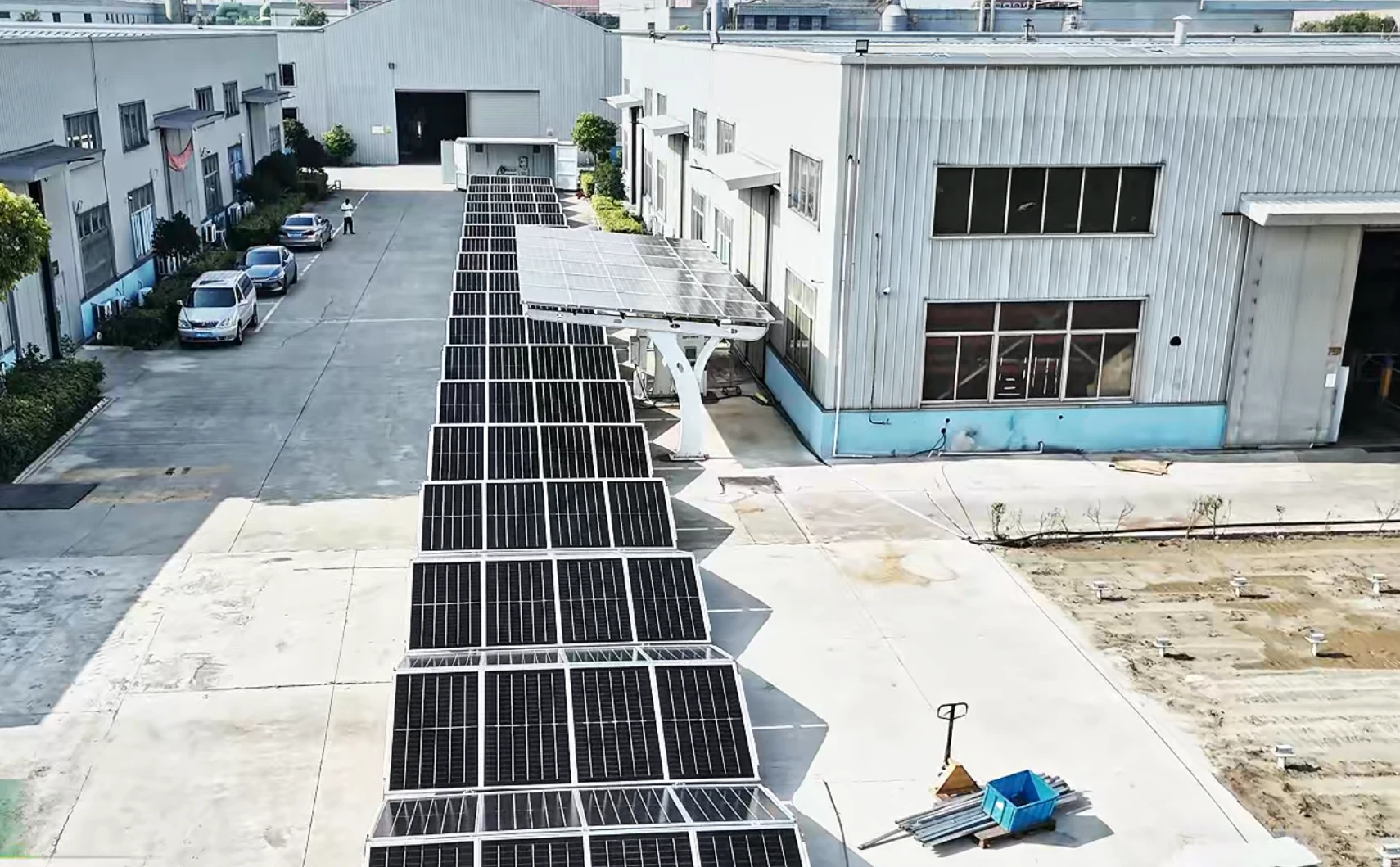
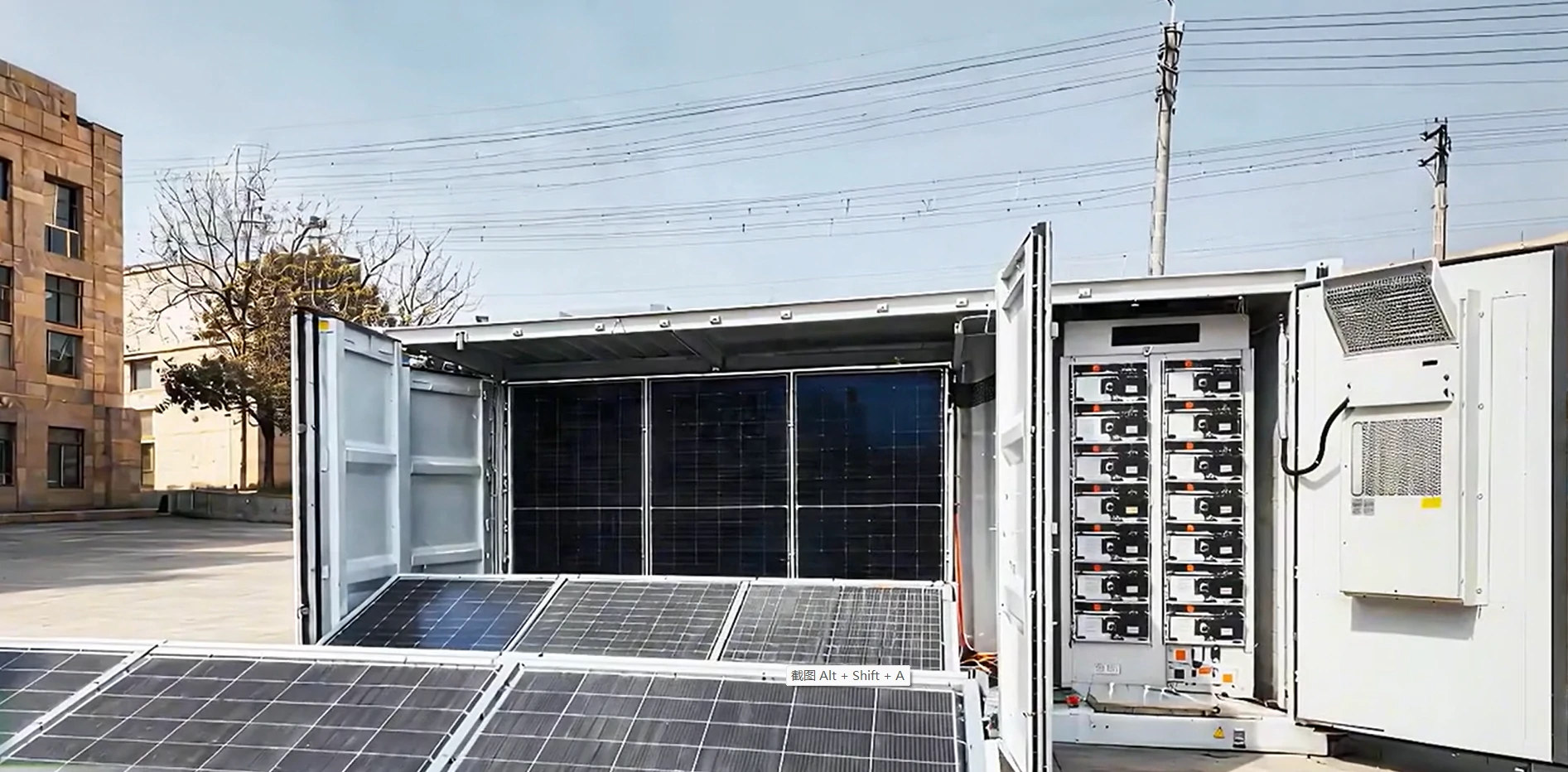
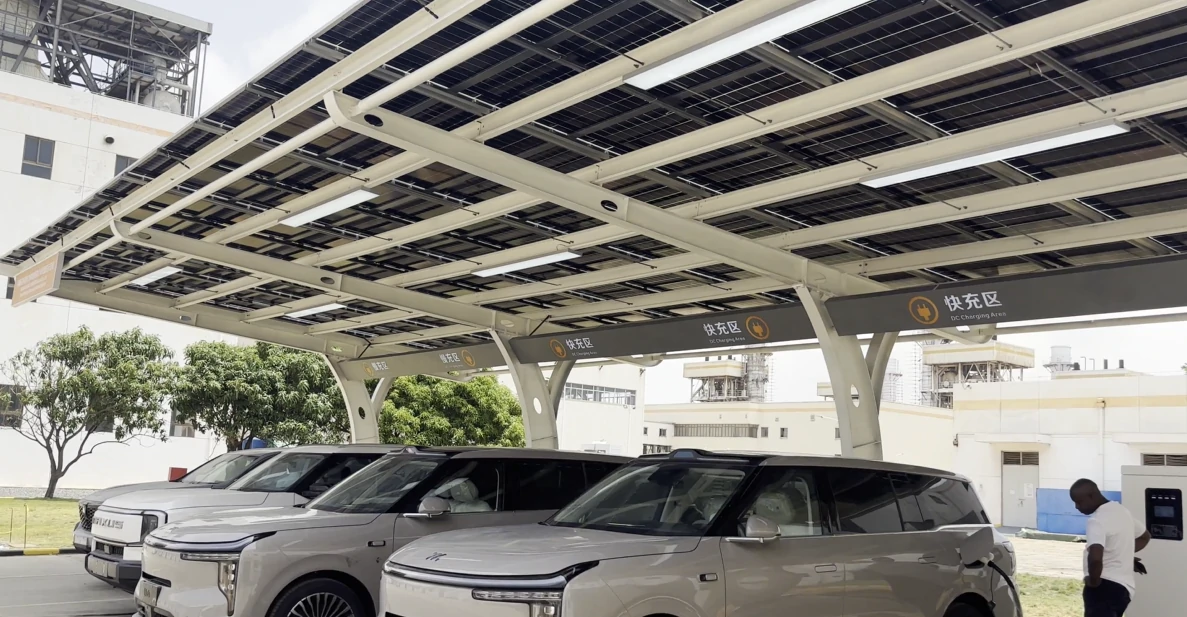
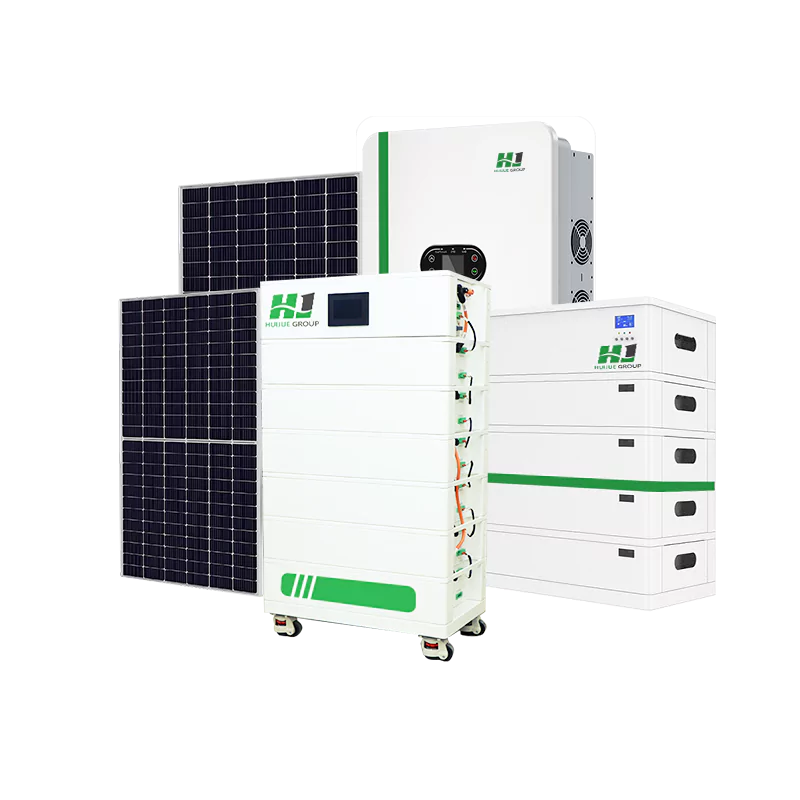
Sólarsellur eru „hjartað“ í öllu kerfinu og bera ábyrgð á að umbreyta sólarorku í jafnstraum (DC). Samskiptastaðir nota yfirleitt ein- eða fjölkristallaða kísill sólarsellur, með afköstum sem eru almennt á bilinu 200W til 400W. Fjöldi og afköst sólarsellanna verður að vera stillt á viðeigandi hátt út frá orkunotkun samskiptabúnaðarins og sólarljósaaðstæðum á staðnum. Mælt er með að velja vörumerkjavörur með mikilli skilvirkni og sterkri veðurþol og að geyma 15%–20% afkastagetu.
2. Ljósavirkir inverterar
Inverterar breyta jafnstraumi sem myndast af sólarorkueiningum í riðstraum sem samskiptabúnaður notar. Fyrir samskiptastaði er mælt með hreinum sínusbylgjuinverturum, þar sem þeir framleiða hreina úttaksbylgjuform sem verndar viðkvæman samskiptabúnað. Hvað varðar aflval ætti nafnafl invertersins að vera 1.5 til 2 sinnum meira en heildarorkunotkun samskiptabúnaðarins til að tryggja stöðugan rekstur jafnvel við hámarksálag.
3. Rafhlöðubanki
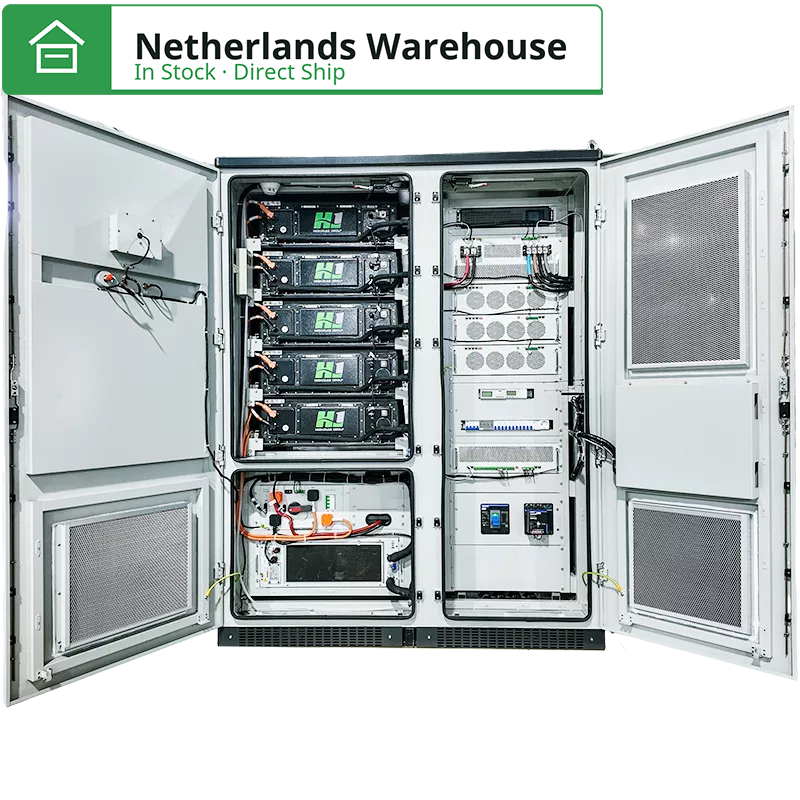
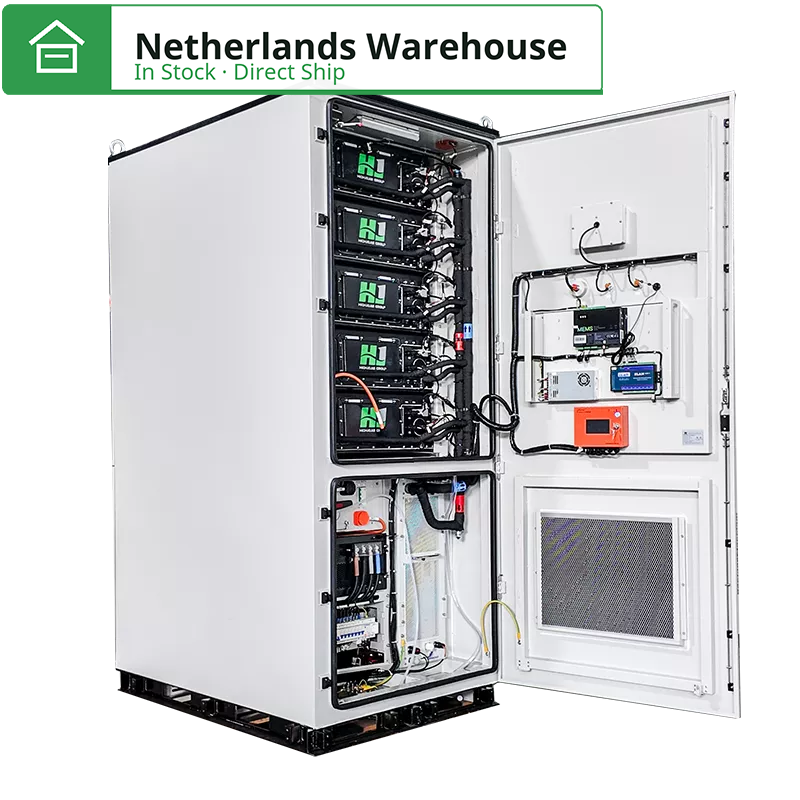
Rafhlöðubankinn þjónar sem „orkugeymslustaður“ fyrir sólarorkuver og veitir samskiptabúnaði afl á nóttunni eða í skýjaðu eða rigningu. Þrjár algengar gerðir eru blýsýrurafhlöður, gelrafhlöður og litíumjónarafhlöður. Blýsýrurafhlöður eru ódýrari en hafa styttri líftíma; gelrafhlöður eru viðhaldslítil og henta fyrir ómönnuð svæði; þótt litíumjónarafhlöður séu dýrari bjóða þær upp á langan líftíma og mikla orkuþéttleika, sem gerir þær að kjörnum valkosti fyrir hágæða svæði. Rafhlöðuafkastageta verður að reikna út frá hámarksfjölda samfelldra rigningardaga á staðnum og meðaltali daglegrar orkunotkunar samskiptabúnaðarins.
II. Rafdreifingar- og stjórnbúnaður
1. Sólstýring
Sólvökvastýringin þjónar sem „heilinn“ í sólarorkuframleiðslukerfinu. Hún stýrir hleðsluferlinu frá sólarorkueiningunum að rafhlöðunum, kemur í veg fyrir ofhleðslu og ofhleðslu og lengir endingu rafhlöðunnar. Fyrir samskiptastaði er mælt með því að velja MPPT (Maximum Power Point Tracking) stýringu, sem getur bætt skilvirkni orkuframleiðslunnar um 15%–30% samanborið við PWM stýringar. Málstraumur stýringarinnar ætti að vera meiri en 1.25 sinnum skammhlaupsstraumur sólarorkueininganna.
2. Rafmagnsdreifingarskápur
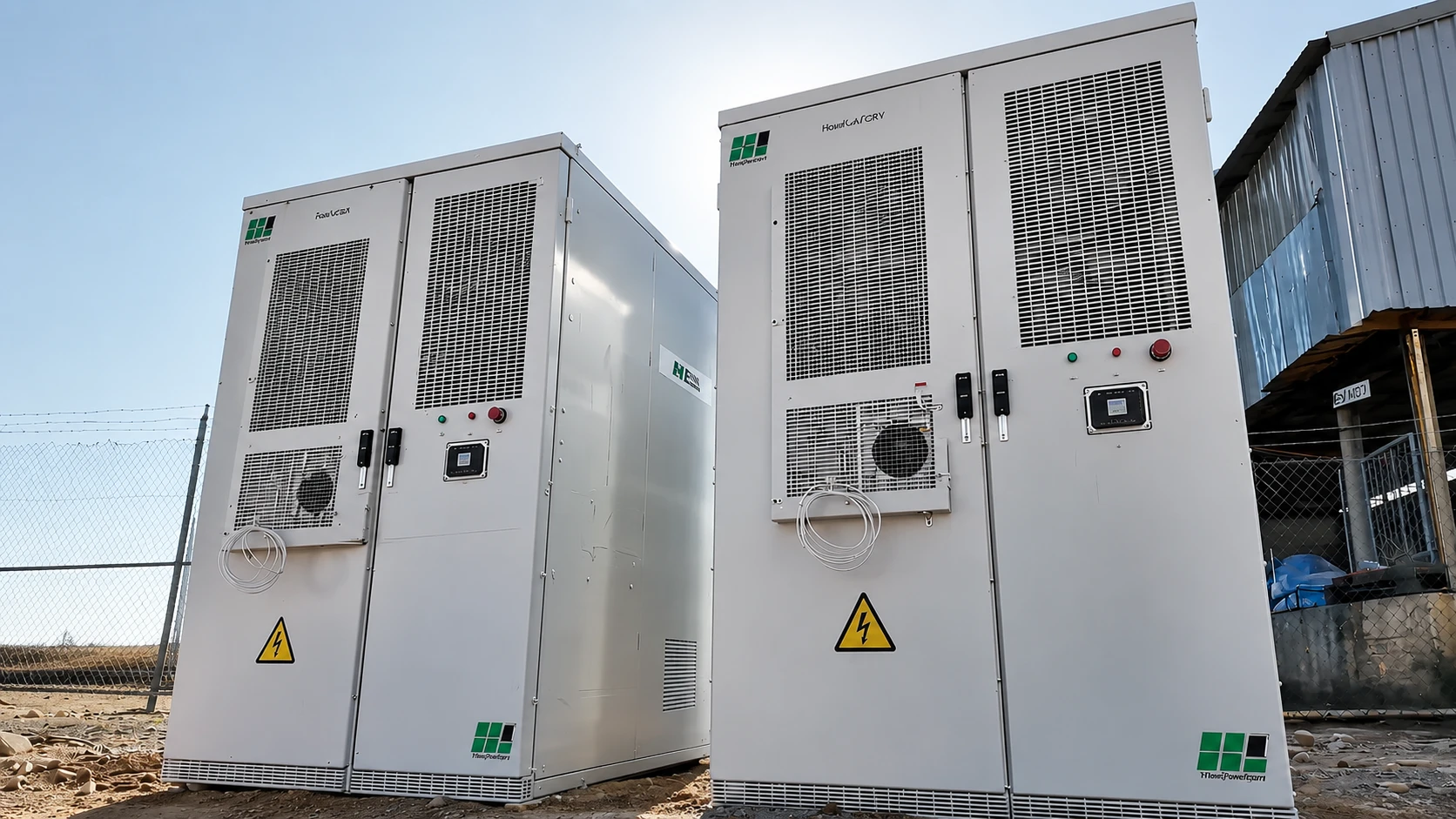
Dreifiskápurinn er notaður til miðlægrar stjórnun og dreifingar raforku og inniheldur verndandi íhluti eins og rofa, öryggi og yfirspennuvörn. Dreifiskápurinn á samskiptastað verður að vera með margvíslegum verndareiginleikum, þar á meðal eldingarvörn, ofhleðsluvörn og skammhlaupsvörn, til að tryggja öryggi aflgjafans. Skápurinn ætti að hafa IP65 verndarflokk til að þola erfiðar aðstæður utandyra.
3. Eftirlitskerfi
Fjarstýringarkerfið þjónar sem „augu“ samskiptastöðvarinnar fyrir sólarorkuver og getur fylgst með lykilþáttum í rauntíma, svo sem orkuframleiðslu sólarorkuversins, hleðslustigi rafhlöðunnar, stöðu invertersins og umhverfishita. Gögnum er sent til eftirlitsstöðvarinnar í gegnum 4G/5G net eða gervihnattasamskipti, sem gerir kleift að stjórna kerfinu án eftirlits og gefa viðvaranir um bilanir. Eftirlitskerfið ætti að innihalda aðgerðir eins og geymslu sögulegra gagna, viðvörunartilkynningar og fjarstýringu.
III. Uppbygging og uppsetningarbúnaður
1. Festingarkerfi fyrir sólarorkuver
Festingarkerfi fyrir sólarorkuver eru notuð til að festa og styðja við sólarorkumódel; viðeigandi gerð verður að velja út frá landslagi uppsetningarstaðarins. Fyrir uppsetningar á jörðu niðri má nota steinsteypta undirstöður eða skrúfustaura; uppsetningar á þökum krefjast þess að tekið sé tillit til burðarþols og vatnsheldni; uppsetningar á halla krefjast festingarkerfa með stillanlegum hornum. Festingarefni ættu að vera heitgalvaniseruðu stáli eða álfelgu, sem bjóða upp á framúrskarandi tæringarþol.
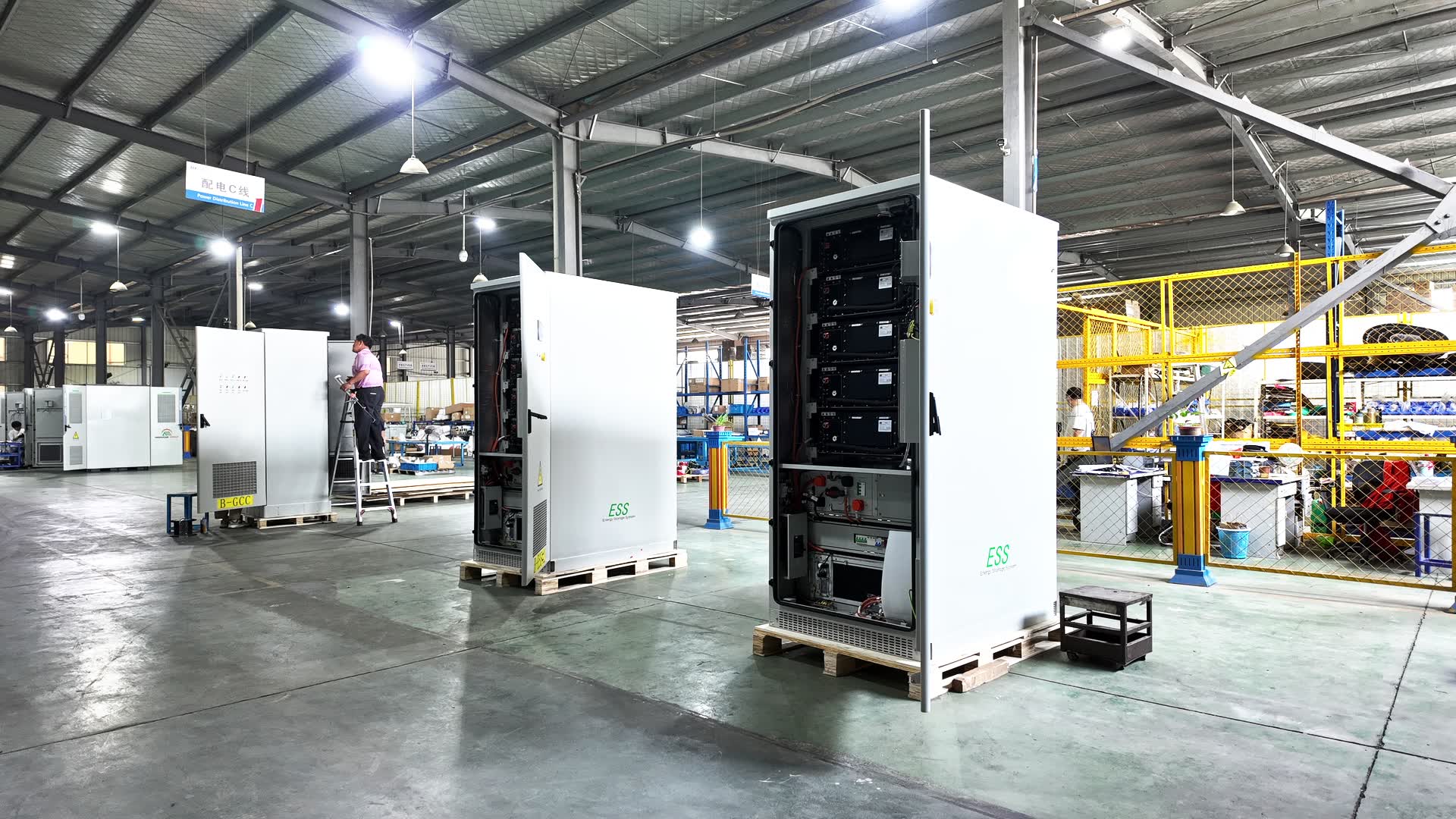
2. Skápar og rekki
Samskiptabúnaður verður að vera settur upp í skápum með háa verndarflokkun. Skápar eru yfirleitt með IP55 eða IP65 verndarflokkun, sem veitir rykþéttni, vatnsheldni og tæringarþol. Innréttingar skápanna krefjast skynsamlegrar uppsetningar með nægilegu rými fyrir varmaleiðni og verða að vera búnir hitastýringarkerfi (viftum eða loftkælingu) til að tryggja að búnaðurinn starfi við viðeigandi hitastig.
3. Kaplar og tengi
Sólarorkukerfi krefjast sérhæfðra sólarorkukapla með útfjólubláa geislunarþol, háhitaþol og lághitaþol. Rafmagnskaplar fyrir samskiptabúnað ættu að vera varðir til að lágmarka rafsegultruflanir. Öll tengi verða að vera vatnsheld og rykheld; iðnaðarvörur eins og MC4 tengi eru ráðlögð.
IV. Öryggis- og hjálparbúnaður
1. Eldingarvarnarkerfi
Þar sem fjarskiptastöðvar fyrir sólarsellur eru yfirleitt staðsettar á opnum svæðum er eldingarvörn sérstaklega mikilvæg. Setja þarf upp eldingarstangir og spennuvörn (SPD) og koma á fót viðeigandi jarðtengingarkerfi. Jarðtengingarviðnámið ætti að vera minna en 10 Ω til að tryggja örugga straumdreifingu við eldingaráfall.
2. Brunavarnabúnaður
Innréttingar skápa ættu að vera búnar sjálfvirkum slökkvikerfum (eins og heptafluoropropane gaskerfum) og slökkvibúnaður eins og þurrduftslökkvitæki ætti að vera staðsettur á staðnum. Eftirlitskerfið ætti að samþætta reyk- og hitastigsviðvörunarkerfi.
3. Umhverfiseftirlitsbúnaður
Setjið upp umhverfiseftirlitsbúnað eins og hita- og rakaskynjara, sem og vindhraða- og vindáttarskynjara, til að veita umhverfisgögn sem styðja við rekstur kerfisins. Við öfgakenndar veðuraðstæður getur kerfið sjálfkrafa aðlagað rekstrarstefnu sína til að vernda öryggi búnaðarins.
V. Lykilatriði og ráðleggingar um stillingar
1. Meginregla um jöfnun afkastagetu
Afkastageta sólarorkueininga, afkastageta rafhlöðu og afl invertera verður að vera sanngjarnt í samræmi. Almennt fylgir stillingin hlutfallinu „afl sólarorkueiningar: afkastageta rafhlöðu: afl invertera = 1:1.2:1.5“, þó að sérstakar aðlaganir ættu að vera gerðar út frá sólarljósi á staðnum og orkunotkun samskiptabúnaðar.
2. Hönnun afritunar
Með hliðsjón af þáttum eins og öldrun búnaðar og minnkun á skilvirkni er mælt með því að tryggja 20%–30% afritunargetu við hönnun kerfisins. Fyrir mikilvægan búnað eins og stýringar og invertera er mælt með N+1 afritunarstillingu.
3. Viðhaldsþægindi
Uppsetning búnaðar ætti að auðvelda viðhald og viðgerðir, með nægilegu rekstrarrými frátekið. Rafhlöðubankar ættu að vera settir upp á vel loftræstum stöðum til að auðvelda skipti. Eftirlitskerfið ætti að veita ítarlegar upplýsingar um stöðu búnaðar til að auðvelda bilanagreiningu.
4. Kostnaðar- og ávinningsgreining
Við val á búnaði verður að taka tillit til þátta eins og upphafsfjárfestingar, rekstrar- og viðhaldskostnaðar og endingartíma. Þótt hágæða búnaður feli í sér hærri upphafsfjárfestingu getur hann lækkað heildarkostnað eignarhalds (TCO) til lengri tíma litið.
Bygging sólarorkuverstöðva er kerfisbundið verkfræðiverkefni sem krefst þess að viðeigandi búnaðarstillingar séu valdar út frá tilteknum notkunarsviðsmyndum. Mælt er með að framkvæma ítarlegar kannanir á staðnum og álagsgreiningar áður en verkefnið hefst til að þróa vísindalega trausta byggingaráætlun. Að auki ætti að koma á fót alhliða rekstrar- og viðhaldskerfi með reglulegu eftirliti og viðhaldi búnaðar til að tryggja stöðugan rekstur samskiptastaða til langs tíma. Með sífelldum framförum í sólarorkutækni og lækkandi kostnaði munu sólarorkuverstöðvar gegna sífellt mikilvægara hlutverki á fleiri sviðum og veita áreiðanlega fjarskiptaþjónustu fyrir afskekkt svæði.